Cleaning the drip system during cultivation with hydrogen peroxide
With hydrogen peroxide in combination with AntiBloc Mineral (fertilizers) you are able to clean the drip system. While inspecting the drip system, contamination can be noted. Drip system contamination negatively affects water delivery and, with that, also the crops are negatively affected. Therefore the drip system needs to be cleaned in case of contamination. You can do this during as well as after cultivation. Various practices apply to this. In this article we explain how to clean drip system during cultivation with hydrogen peroxide.

Drip system cleaning with high pressure
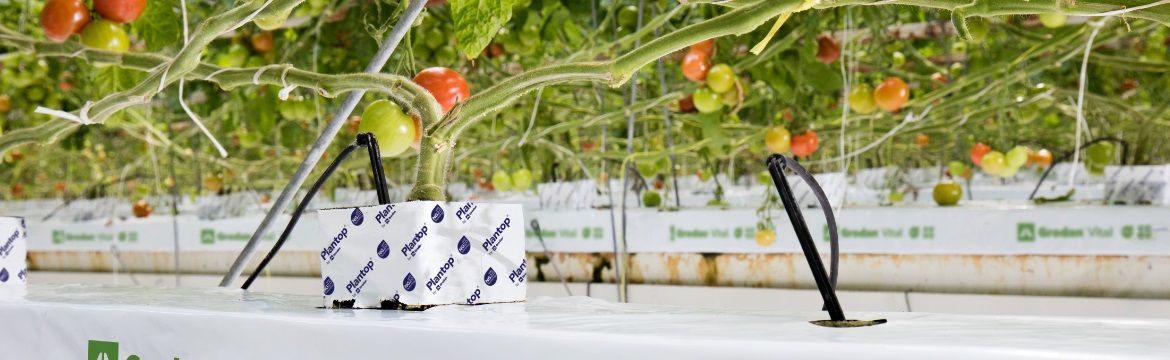
By putting the drippers under pressure that is higher than the working pressure, the speed of the water in the dripper is increased. This squeezes dirt out. The dripper hoses need to be rinsed out for a few minutes when using this method. This will remove the loose dirt from the dripper hoses, afterwards the spray tap can be closed or the end caps twisted closed. The actual pressure increase only takes a few minutes per tap.
In summer it’s best to apply pressure increase on the drip system once or twice a week. In winter it’s once every four weeks. Note: This cleaning method does not work with pressure compensating drippers.
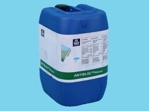
Adding cleaning product Bacteria as well as inorganic salts can cause clogging. By adding a combination of the cleaning products hydrogen peroxide and Antibloc Mineral, contamination is remedied. These products are developed especially for cleaning during cultivation and are biodegradable.
Using hydrogen peroxide to clean your drip irrigation system
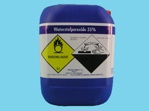
Cleaning your drip irrigation system is essential in maintaining optimal performance and health of your crops. Effective cleaning methods are important for professional growers, and hydrogen peroxide is a suitable and powerful disinfection product for this purpose. Hydrogen peroxide serves as a powerful disinfectant and effectively eliminates harmful bacteria, algae, fungi and other microorganisms that can clog or contaminate your irrigation system. Hydrogen peroxide breaks down into water and oxygen without leaving harmful residues, unlike some other harsh chemical cleaners. This makes it safe for your plants and the environment. At Royal Brinkman, hydrogen peroxide is easily available and affordable, making it a cost-effective option for maintaining a clean and efficient drip system. We offer a suitable range of hydrogen peroxide products specifically formulated for cleaning drip irrigation systems.
ECA unit
Besides cleaning the drip system, there is also the possibility to prevent contamination with the aid of an ECA unit. This system produces active chlorine in place (ECA solution) that you send through your system. This ensures a complete and continual cleaning of your drip system.
Related products
Contact form
Can't find your answer? Fill out the contact form and our specialist Jasper Verhoeven will get back to you. On weekdays, even within 24 hours.
Cleaning the drip system during cultivation with hydrogen peroxide
With hydrogen peroxide in combination with AntiBloc Mineral (fertilizers) you are able to clean the drip system. While inspecting the drip system, contamination can be noted. Drip system contamination negatively affects water delivery and, with that, also the crops are negatively affected. Therefore the drip system needs to be cleaned in case of contamination. You can do this during as well as after cultivation. Various practices apply to this. In this article we explain how to clean drip system during cultivation with hydrogen peroxide.
Search in the Knowledge Center
Find answers to your question in our Knowledge Center. 600+ articles, written by our specialists.
Categories:
Share this article
Drip system cleaning with high pressure
By putting the drippers under pressure that is higher than the working pressure, the speed of the water in the dripper is increased. This squeezes dirt out. The dripper hoses need to be rinsed out for a few minutes when using this method. This will remove the loose dirt from the dripper hoses, afterwards the spray tap can be closed or the end caps twisted closed. The actual pressure increase only takes a few minutes per tap.
In summer it’s best to apply pressure increase on the drip system once or twice a week. In winter it’s once every four weeks. Note: This cleaning method does not work with pressure compensating drippers.
Adding cleaning product Bacteria as well as inorganic salts can cause clogging. By adding a combination of the cleaning products hydrogen peroxide and Antibloc Mineral, contamination is remedied. These products are developed especially for cleaning during cultivation and are biodegradable.
Using hydrogen peroxide to clean your drip irrigation system
Cleaning your drip irrigation system is essential in maintaining optimal performance and health of your crops. Effective cleaning methods are important for professional growers, and hydrogen peroxide is a suitable and powerful disinfection product for this purpose. Hydrogen peroxide serves as a powerful disinfectant and effectively eliminates harmful bacteria, algae, fungi and other microorganisms that can clog or contaminate your irrigation system. Hydrogen peroxide breaks down into water and oxygen without leaving harmful residues, unlike some other harsh chemical cleaners. This makes it safe for your plants and the environment. At Royal Brinkman, hydrogen peroxide is easily available and affordable, making it a cost-effective option for maintaining a clean and efficient drip system. We offer a suitable range of hydrogen peroxide products specifically formulated for cleaning drip irrigation systems.
ECA unit
Besides cleaning the drip system, there is also the possibility to prevent contamination with the aid of an ECA unit. This system produces active chlorine in place (ECA solution) that you send through your system. This ensures a complete and continual cleaning of your drip system.
Related products
Contact form
Can't find your answer? Fill out the contact form and our specialist Jasper Verhoeven will get back to you. On weekdays, even within 24 hours.
Also interesting for you
What types of drippers are available?
A dripper is an element or capillary hose that doses the water to the plant. In general, there are three kind of drippers. The best decision for a dripper depends on the cultivation, the length of a bed, the amount of drippers per meter and the desired water flow.
Dosing pump for dosing stabilized hydrogen peroxide
With a dosing pump you can dose substances such as stabilized hydrogen peroxide into irrigation water in a safe and controlled manner. This is important to keep drip hoses and irrigation pipes clean.
How to clean sprinklers?
Depending on the water quality and the fertilizers used, precipitation of salts (especially calcium compounds) can occur on and in the sprinklers of your irrigation system. Higher dirt levels will interfere with the operation of the sprinklers.


Nederland
Arabic ( العربية)
Asia
Australia
Canada
Can-Hub
Česko
Chile
China ( 中国 )
Deutsch
Español
Français
Hortispares
Italy
Japan
Magyar
Mexico
Polski
Portugal
Russian
Scandinavia
Türkçe
United Kingdom
United States
Ireland
Africa
Arabic ( العربية)
Asia
Australia
Canada
Can-Hub
Česko
Chile
China ( 中国 )
Deutsch
Español
Français
Hortispares
Italy
Japan
Magyar
Mexico
Nederlands
Polski
Portugal
Russian
Scandinavia
Türkçe
United Kingdom
United States